In drought-prone states like California, eco-friendly curb appeal is no longer a niche luxury but a crucial selling point, driven by strict water conservation rules. Property values now directly reflect a home's ability to maintain an attractive exterior with minimal water usage, forcing a reevaluation of traditional landscaping methods.
Many aspiring landscapers still consider traditional, gas-powered equipment, but climate-conscious consumers and municipalities actively seek sustainable, eco-friendly alternatives. The shift to sustainable alternatives divides established practices from emerging market demands.
Businesses that integrate sustainable practices and products from inception are poised to capture a significant and growing market share, while traditional models face increasing obsolescence.
The market for sustainable landscaping aligns with consumer needs, according to the U.S. Chamber of Commerce. New businesses prioritizing environmental responsibility will find a ripe market. Consumers increasingly value services that reduce their ecological footprint and comply with local regulations. Entrepreneurs focusing on green solutions from day one gain a distinct advantage, bypassing the costly transition older, gas-powered operations face. Environmental stewardship appeals to homeowners seeking lower utility bills and commercial clients aiming for corporate sustainability. Environmental stewardship is a proactive approach to business development.
1. Essential Eco-Friendly Tools for 2026
Future-proofing your business means selecting forward-looking, sustainable products, as identified by BobVila in its 2026 awards. New ventures must prioritize equipment that meets evolving environmental standards and consumer expectations. Investing in the right tools ensures long-term viability.
2. Electric or Battery-Powered Equipment
Best for: Environmentally conscious businesses aiming for a competitive edge.
Electric or battery-powered equipment helps a sustainable lawn care business stand out. It aligns with consumer needs for eco-friendly services. Municipalities are moving away from traditional gas-powered lawn care, making electric options a strategic necessity. Electric options include mowers, trimmers, blowers, and chainsaws.

Strengths: Low noise, zero emissions, reduced fuel costs, appeals to green consumers. | Limitations: Higher upfront cost, battery life considerations for large properties, charging infrastructure needed. | Price: Varies significantly by tool and brand, often higher than gas equivalents.
3. Work Truck
Best for: Transporting equipment and materials efficiently.
A reliable work truck is essential for core logistics. Work truck startup costs range from $10,000 to $75,000, according to Grassroots Turf Franchise. The high cost of a work truck reflects its foundational role in daily operations.
Strengths: Versatility for transport, professional appearance, often a mobile workspace. | Limitations: Significant capital investment, ongoing fuel and maintenance costs, requires commercial insurance. | Price: $10,000 to $75,000.
4. Trailer
Best for: Expanding transport capacity for larger jobs or multiple crews.
A trailer is crucial for expanding transport capacity, often used with a work truck. Trailer startup costs range from $1,000 to $6,000, as reported by Grassroots Turf Franchise. A trailer is a significant, secondary logistical investment for equipment and debris removal.
Strengths: Increases hauling capacity, allows for specialized equipment transport, can be branded. | Limitations: Requires adequate towing vehicle, additional licensing or insurance, storage space needed. | Price: $1,000 to $6,000.
5. Hand Tools
Best for: Detailed work and tasks unsuitable for larger machinery.
Hand tools are fundamental for detailed work. Hand tool startup costs range from $100 to $500, according to Grassroots Turf Franchise. Though lower in cost, they are essential for pruning, planting, and other tasks.
Strengths: Low cost, versatile for precise tasks, require minimal maintenance. | Limitations: Labor-intensive for large areas, slower than powered alternatives. | Price: $100 to $500.
6. Sprayers
Best for: Applying fertilizers, herbicides, or organic pest control solutions.
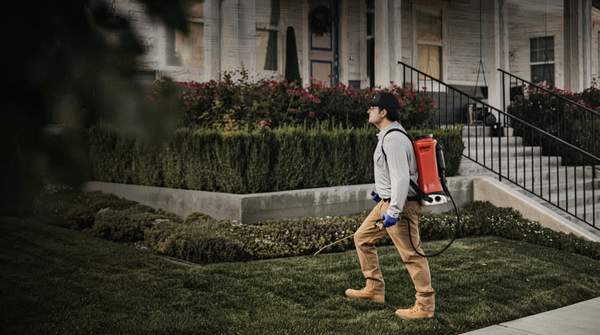
Sprayers are specialized tools for applying treatments. Sprayer startup costs range from $50 to $500, as cited by Grassroots Turf Franchise. They are critical for lawn and plant health management, essential for comprehensive service offerings.
Strengths: Precise application, essential for plant health and pest management, available in various sizes. | Limitations: Requires knowledge of chemical/organic mixtures, potential for drift with wind. | Price: $50 to $500.
7. The Shifting Landscape: Sustainable vs. Traditional
Ignoring the shift away from gas-powered equipment puts new businesses at a significant disadvantage. Climate-conscious consumers and municipalities are actively moving away from traditional gas-powered lawn care, according to the U.S. Chamber of Commerce. The trend of moving away from gas-powered lawn care, driven by environmental concerns and a desire for quieter spaces, makes sustainability a powerful sales tool. Eco-friendly curb appeal is a huge selling point in drought-prone states with strict water conservation rules. Eco-friendly curb appeal increases property value and client demand. The convergence of strict water conservation rules and consumer demand means 'green' landscaping is no longer a niche but the new market standard, forcing traditional businesses into obsolescence. New businesses leveraging these trends command higher prices and secure more contracts. For example, in California, compliance with water-saving regulations makes sustainable landscapers indispensable.
| Feature | Sustainable Landscaping Business | Traditional Landscaping Business |
|---|---|---|
| Equipment Type | Electric, battery-powered | Gas-powered, fossil fuel reliant |
| Environmental Impact | Zero emissions, reduced noise pollution | Air pollution, significant noise, carbon footprint |
| Consumer Preference | High demand from climate-conscious clients | Decreasing demand, seen as outdated |
| Regulatory Outlook | Favored, potentially eligible for incentives | Increasingly restricted, facing bans in some areas |
| Operational Costs | Lower fuel, higher upfront equipment, lower maintenance | High fuel, lower upfront equipment, higher maintenance |
| Market Positioning | Modern, eco-friendly, premium appeal | Commoditized, often seen as basic service |
Market preference favors sustainable practices, making traditional methods a liability. New ventures must align with ecological demands to secure a competitive foothold.
8. Building a Business on Green Principles
Building a business on green principles requires a comprehensive approach beyond just equipment. Adopting sustainable practices across plant choices, organic fertilizers, and native landscaping techniques creates a strong market differentiator, as highlighted by the U.S. Chamber of Commerce. Implementing these principles from inception builds a reputation for environmental responsibility. Implementing these principles includes not only the tools used but also the materials and methods employed in garden design and maintenance. Prioritizing native plants, for instance, reduces water consumption and supports local ecosystems, appealing to an informed client base. This integrated approach ensures both ecological benefits and business success.
9. Your Sustainable Landscaping Business Questions Answered
How can a new landscaping business market its sustainable services effectively?
New businesses should highlight their use of electric equipment and drought-resistant plant expertise in all marketing materials. Partnering with local nurseries specializing in native plants or offering free water-wise landscape audits can attract climate-conscious clients. Testimonials from early adopters who appreciate quiet operations and lower water bills will also be effective.
What are the initial setup costs for a fully electric landscaping fleet?
While individual electric tools have varying costs, a complete electric fleet for a small business, including mowers, trimmers, and blowers, can range from $15,000 to $30,000. This estimate does not include the work truck or trailer. These costs are often offset by reduced operational expenses, such as eliminating fuel purchases and lower maintenance requirements over time.
Are there regional incentives for sustainable landscaping businesses?
Yes, many municipalities and states offer incentives for adopting eco-friendly practices. Some regions provide grants for purchasing electric equipment or tax credits for installing drought-tolerant landscapes. Checking with local environmental agencies or small business development centers can reveal specific programs available in your operational area, potentially reducing costs.ng startup costs. If these trends continue, sustainable landscaping businesses will likely dominate the market, reshaping urban and suburban environments.