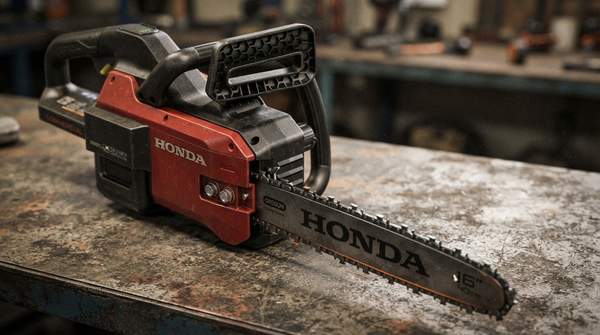
In a significant departure from traditional tool buying, contractors increasingly select essential power tools based on accessory compatibility, not individual tool merits. A quiet revolution is underway in how job sites are equipped. Cordless tools are now the default for tradespeople, but purchasing decisions are driven by accessory compatibility, not solely by a tool's core function or power. Therefore, manufacturers who fail to develop comprehensive accessory ecosystems risk market share. Tradespeople who ignore compatibility will find their tool investments quickly limited and less adaptable.
The Cordless Revolution and Accessory Evolution
The widespread adoption of cordless power tools drives accessory innovation. Cordless tools are now the job site default, according to Strategic Market Research. A versatile range of compatible accessories that extend tool functionality is now mandated. A valuable tool investment now favors adaptability within an ecosystem, compelling manufacturers to expand beyond core tools.
1. Drill Bits
Best for: General contractors, electricians, plumbers, carpenters
Drill bits are fundamental for any drilling application, versatile across wood, metal, and masonry. They accounted for nearly 28% of global revenue in 2024, as reported by Strategic Market Research and The Business Research Company. Contractors must invest in quality bits to avoid downtime and ensure project efficiency, given this market dominance.
Strengths: Wide material compatibility | Limitations: Can dull quickly with improper use | Price: Moderate to high, depending on material and coating
2. Batteries
Best for: All cordless tool users
Batteries power all cordless tools, essential for job site mobility and continuous operation. The 'Batteries & chargers' segment is the fastest-growing at over 7.5% CAGR, according to Strategic Market Research. Tradespeople must manage battery inventory and charging cycles to maintain productivity, due to this rapid growth.