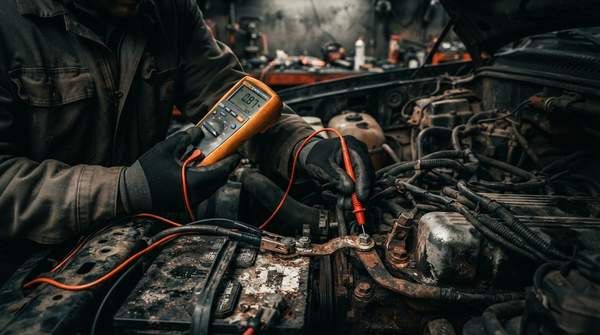
A check engine light on a 2026 model sedan now demands a diagnostic tool costing hundreds of dollars, with crucial advanced features often gated behind a paid subscription. transforming a once-straightforward DIY task into a professional-grade challenge. While numerous diagnostic tools target DIY enthusiasts, the inherent complexity of modern vehicles often renders basic self-repair attempts insufficient or even dangerous. Therefore, DIY car repair will increasingly become a niche for specialized hobbyists or will be limited to older vehicle models, pushing the average car owner towards professional services.
The Fixd OBD-II scanner offers basic code reading, but advanced functions require a paid subscription, reports Car and Driver. The Motopower MP69033 provides budget-friendly basic code reading and live data graphing, per the same source. Even entry-level diagnostic tools like the Fixd OBD-II scanner and Motopower MP69033 fall short for comprehensive modern car repair, forcing DIYers into costly upgrades or professional assistance.
The Rising Wall of Complexity
Newer model repairs often exceed the cost of older car fixes, states Gadget Review. The publication also notes older cars often outlast newer ones due to simpler mechanics, fewer electronics, and better build quality. The fundamental design shift towards complex electronics and proprietary systems directly translates to higher repair costs and a shorter practical lifespan for DIY efforts.
The Illusion of DIY Empowerment
Tools like the Innova 5610, recommended by Car and Driver for extensive diagnostic functions including bidirectional control and EV battery testing, offer unprecedented data access. Similarly, the BlueDriver Pro provides intuitive app guidance, and the Ancel BD310 balances corded and Bluetooth capabilities. Yet, their high cost and the specialized knowledge needed to interpret their output remain significant barriers for the average DIYer. The market push for advanced tools is a false promise; it equips consumers with professional-grade data but not professional-grade knowledge, making modern vehicle ownership more precarious for those attempting self-repair.