How to Diagnose Automotive Electrical Problems: A Step-by-Step Guide

A 0.6Ω reading on a digital multimeter confirms a good bulb, saving hours of frustration and unnecessary parts replacement, reports Cartechbooks . This quick check prevents replacing functional compon

LO
Luis Ortega

April 24, 2026 · 3 min read

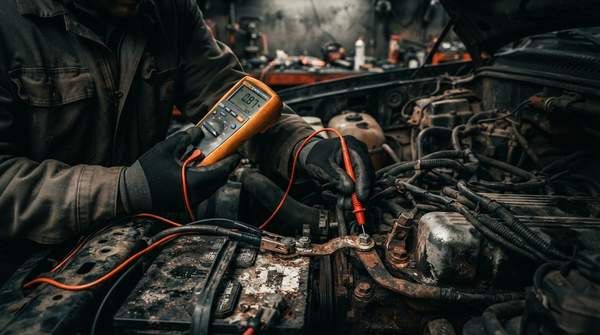
Mechanic carefully diagnosing a car's electrical system with a digital multimeter in a professional garage setting.

A 0.6Ω reading on a digital multimeter confirms a good bulb, saving hours of frustration and unnecessary parts replacement, reports Cartechbooks. This quick check prevents replacing functional components, streamlining diagnostics. Simple tests often counter the assumption that electrical problems are always complex.

Automotive electrical problems often appear mysterious, but clear, step-by-step instructions and basic tools make them solvable. The 'black magic' perception deters owners from DIY repairs, driving significant consumer costs.

Many car owners pay for professional diagnostics unnecessarily. Mastering basic tools and step-by-step guides empowers even novice mechanics to resolve common faults, bypassing expensive intervention.

Demystifying Automotive Electrical Systems

Diagnosing automotive electrical problems starts with accessible, structured resources. Repair manuals, like those found via Iqytechnicalcollege or Ebay listings, often include clear step-by-step instructions and photo sequences. These guides transform complex electrical issues into manageable tasks, making visual comprehension easier for technicians and DIYers. Companies failing to provide such clear, visual diagnostic manuals inadvertently perpetuate consumer reliance on expensive repair shops.

Core Diagnostic Techniques and Readings

Identifying faulty components often begins with a continuity check. A reading near 0Ω confirms continuity, indicating a good filament; Cartechbooks notes a 0.6Ω DMM reading confirms a good bulb. Beyond continuity, voltage drop testing pinpoints issues like parasitic drains, as highlighted by Clore Automotive. This method measures voltage lost across a component or wire, revealing resistance. Precise measurements are crucial for accurate fault identification. The 'black magic' perception of automotive electrical systems is unfounded; basic multimeter readings and systematic voltage drop tests demystify common faults, empowering DIYers to bypass costly professional diagnostics.


Common Overlooked Problems

Many automotive electrical issues stem from overlooked fundamentals. Poor ground connections are a common source, states Clore Automotive. A corroded or loose ground interrupts current flow, causing erratic behavior like flickering lights, intermittent power, or no-start conditions. Overlooking these fundamentals leads to misdiagnosis and wasted effort. Technicians often chase symptoms for hours when a simple ground inspection would reveal the problem instantly.

Essential Preparations and Resources

Accurate electrical diagnosis hinges on proper preliminary steps. A fully charged battery is essential, according to Clore Automotive; a weak battery mimics other faults, causing incorrect conclusions. Good vehicle schematics are also important, providing a roadmap of wiring, component locations, and current paths. Proper preparation and reliable reference materials are foundational. Ignoring steps like ensuring a charged battery is a critical error, leading to misdiagnosis and unnecessary parts replacement.

Frequently Asked Questions

What are the common causes of car electrical problems?

Beyond bad grounds or bulbs, common causes include corroded wiring, faulty fuses, or a failing alternator. An alternator's failure, which generates power and recharges the battery, quickly leads to widespread electrical issues.

How do I test a car's electrical system?

Testing involves more than a DMM. Start by checking battery voltage, inspecting fuses for continuity, and performing voltage drop tests across circuits. A test light quickly identifies power presence.

What tools are needed to diagnose car electrical issues?

Essential tools include a digital multimeter (DMM), a test light, wire strippers, and crimpers. For complex diagnostics, an oscilloscope analyzes waveform signals, providing deeper insights into intermittent problems.

Empowering Your DIY Electrical Repairs

The perceived complexity of automotive electrical issues is a misconception. With basic tools like a DMM and reliable resources such as vehicle schematics, car owners can confidently resolve many common faults, saving money and fostering deeper understanding. By Q3 2026, a growing number of online communities and manufacturers like Clore Automotive will likely expand accessible diagnostic guides, further empowering self-sufficient vehicle maintenance.