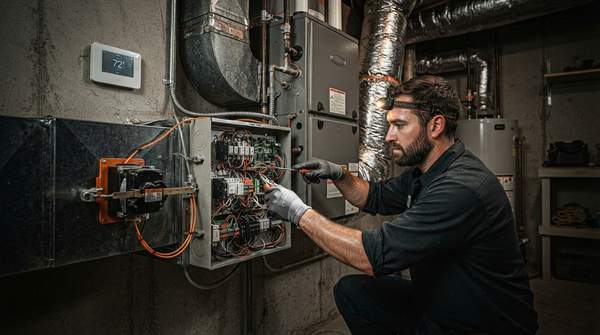
A seemingly innocuous low-voltage wire, if damaged and exposed to 120v, can not only destroy devices but also ignite a house fire. Unexpected danger transforms common household components into significant hazards. Even minor wiring mistakes carry the risk of severe, life-threatening consequences.
Many homeowners believe basic electrical tasks are simple DIY projects. However, even minor errors can lead to catastrophic outcomes. These mistakes range from improper wire clearance to incorrectly mixing voltage types, creating hidden fire hazards.
The perceived cost savings of DIY electrical work are often outweighed by the hidden risks of property damage, injury, or non-compliance. This makes professional consultation or execution the safer and ultimately more economical choice for home electrical projects in 2026.
Damaged low-voltage wires coming into contact with 120v can damage the low-voltage device or start a fire, according to Finehomebuilding. A single point illustrates how seemingly minor wiring mistakes can escalate into severe hazards. It underscores the critical need for precision and knowledge in all home electrical work.
Why Electrical Safety Isn't Optional
Homeowners must check with local or state building departments regarding required licenses or permits for electrical work, advises Finehomebuilding. The mandate underscores that even seemingly minor wiring tasks carry significant, often unseen, risks. These risks demand professional oversight, not just casual adherence to online guides. Understanding and complying with local regulations is the foundational step for any electrical project. It ensures legal adherence and safety from the outset.
Precision in Placement: Protecting Your Wires
When using nonmetallic sheathed cable (Romex), maintain a 1 1/4-inch clearance from the edge of a stud to protect the wire from fasteners, states Finehomebuilding. A seemingly minor detail of wire placement within a wall is a critical fire prevention measure. A single errant fastener can turn a low-voltage line into a 120v fire hazard if it breaches a shared junction. Based on Finehomebuilding's detailed safety requirements for wire placement, homeowners attempting DIY electrical work are unknowingly installing hidden fire hazards by underestimating the precise, non-obvious code requirements.
The Hidden Dangers of Mixed Voltage
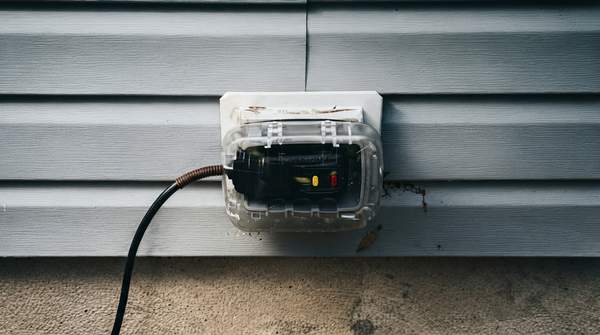
Communication wires, such as phone, cable, or other low-voltage wires, cannot run into a box occupied by 120v or higher unless the communication wire or the box is rated for that specific use, according to Finehomebuilding. Homeowners, often focused on the immediate function of a low-voltage system, are likely unaware of this critical rule. Improper segregation from standard 120v lines transforms a minor installation error into a potential house fire. Mixing low-voltage and high-voltage wiring without proper separation or rated equipment creates a direct pathway for dangerous voltage surges. Such mixing risks device damage and fire.
Common Questions About Home Wiring
What are the basics of home electrical wiring?
Understanding your home's electrical panel and using a non-contact voltage tester are fundamental first steps, according to Wiring Simplified 46th Edition. The guide emphasizes verifying circuits are de-energized before any physical contact. Always identify the correct breaker and confirm the power is off.
Is DIY electrical wiring safe?
While the article highlights dangers, specific safety measures can reduce risk. An easy guide to the electrical wiring inside your walls, available from Buildersbook, advises that proper personal protective equipment (PPE) and double-checking power at the breaker with a voltage tester are non-negotiable safety practices. Always ensure your tools are insulated and in good condition.
What are the common electrical wiring mistakes to avoid?
Beyond improper wire clearance and voltage separation, using the wrong wire gauge for a circuit's amperage is a frequent error. Using the wrong wire gauge can lead to overheating and fire hazards. Improper grounding or loose connections within junction boxes also pose significant risks in electrical systems.
The True Cost of Cutting Corners
The requirement for permits and licenses for electrical work isn't merely bureaucratic. It recognizes that even 'basic' wiring involves complex, non-obvious safety protocols. These include specific clearances and voltage separation. If overlooked, these errors pose severe, long-term risks that only professional inspection can reliably catch. Ultimately, the perceived savings from DIY electrical work are often dwarfed by the potential for severe safety hazards, costly repairs, and legal repercussions. The potential for severe safety hazards, costly repairs, and legal repercussions emphasizes the value of doing it right the first time.