Sustainable Building Materials See Billions in Growth Amidst Environmental Push

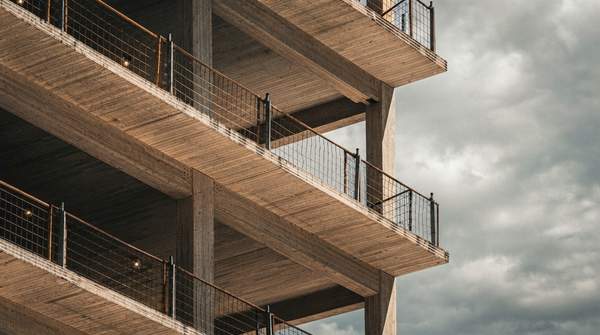
The Kendeda Building at Georgia Tech, certified in 2021, stands as only the 28th project globally to achieve the rigorous Living Building Challenge 3.

KB
Kyle Brenner

April 21, 2026 · 4 min read

Futuristic cityscape showcasing sustainable architecture with vertical gardens and solar panels, representing the growth of green building materials.

The Kendeda Building at Georgia Tech, certified in 2021, stands as only the 28th project globally to achieve the rigorous Living Building Challenge 3.1. This demanding standard pushes the boundaries of sustainable design, requiring net-positive energy and water, alongside materials free from harmful chemicals. Its construction involved responsibly sourced products, including Hydrotech® Monolithic Membrane 6125® which incorporates 40% recycled content, according to Greenroofs.

But the global market for green building materials is projected to nearly double in six years, with estimates reaching up to $708.9 billion by 2030, according to BCCresearch. Despite this growth, truly transformative, high-standard sustainable projects like the Living Building Challenge remain exceptionally rare. A significant gap between market volume and profound environmental impact is revealed.

While market growth is undeniable, the true test will be how quickly these advanced materials and practices move from niche innovation to industry standard, driven by both economic incentives and regulatory pressure.

Setting the Standard: Regenerative Design

The Kendeda Building's achievement of Living Building Challenge 3.1 certification in 2021 sets a benchmark for regenerative construction. The certification means a project actively gives back to the environment, rather than merely minimizing harm. These projects show what is possible with advanced materials and rigorous design standards, moving beyond basic green certification to a net-positive environmental contribution.

Building practices must evolve beyond simple efficiency if true sustainability is the goal. The Kendeda Building, for example, demands investment in materials that not only perform but also contribute to a healthier ecosystem. This requires thoughtful material selection and a comprehensive approach to resource management.

A Market on the Rise: Billions in Green Materials

  • $285.89 billion — The global green building materials market size in 2024, according to Grandviewresearch.
  • $458.61 billion — The green building materials market is projected to reach this figure by 2030, according to Grandviewresearch.
  • 8.5% — The market is projected to grow at this Compound Annual Growth Rate (CAGR) from 2025 to 2030, according to Grandviewresearch.
  • $708.9 billion — The global market for green building materials is projected to reach this figure by 2030, according to BCCresearch.

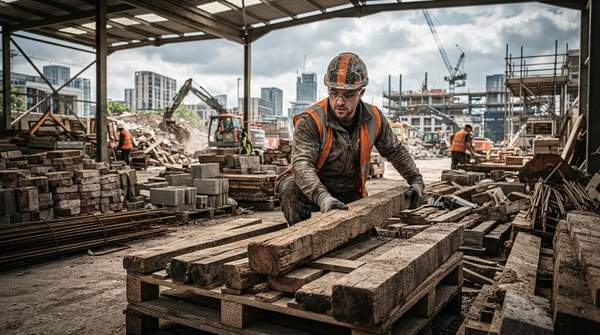
These robust market projections confirm sustainable building materials are shifting from a niche segment to a major economic force. However, the wide discrepancy in 2030 market size projections (Grandviewresearch at $458.61B vs. BCCresearch at $708.9B) shows the 'green' definition remains fluid. The fluidity risks diluting the impact of genuine sustainable innovation by allowing a broad range of products to qualify.

Innovation and Policy Fueling Adoption

MetricDetail
Holcim ECOPact CO2 ReductionUp to 100% compared to traditional mixes, according to AD HOC NEWS
Holcim Net-Zero TargetBy 2050, according to AD HOC NEWS
Australia Net-Zero Policy ImpactIncreased demand for sustainable construction materials such as recycled timber, eco-concrete, and low-carbon insulation (October 2025), according to Vocal Media
IIJA Funding for Holcim USOperations in the United States tap into infrastructure renewal, including funding from the IIJA, according to AD HOC NEWS
Structural Products Market Share (2024)66.1% of green building materials market revenue, according to Grandviewresearch

A combination of groundbreaking material science, proactive corporate strategies, and supportive government policies is accelerating the mainstream adoption and market dominance of sustainable building solutions. For instance, Holcim's ECOPact low-carbon concrete, capable of reducing CO2 by up to 100%, represents a significant material innovation. Their broader aim for net-zero by 2050 aligns with this, positioning them for a future with rising carbon taxes. Concurrently, government initiatives like the IIJA indirectly channel investment into companies innovating in green materials. As policies like Australia's net-zero mandates strengthen, demand for materials such as recycled timber and eco-concrete increases, particularly within the structural products segment, which held 66.1% of the market revenue in 2024.

Why the Shift to Sustainable Materials?

The acceleration towards sustainable building materials is driven by environmental urgency, evolving regulatory frameworks, and economic incentives. As the climate crisis intensifies, builders and developers face mounting pressure from consumers and investors to reduce their carbon footprint. This pressure pushes for stricter building codes and mandates for low-carbon construction, moving sustainability from a voluntary ideal to a compliance requirement. For more, see our Innovative Sustainable Construction Materials for.

Moreover, advancements in material science make sustainable options increasingly viable and cost-effective. Companies invest in research and development to produce materials with lower embodied carbon, higher recycled content, and improved performance. These innovations, coupled with government funding for infrastructure projects, create fertile ground for green technology adoption. Demand growth confirms that traditional construction methods are no longer sufficient for long-term environmental health.

By 2030, as regulatory pressures intensify and the definition of 'green' materials sharpens, companies investing in genuinely regenerative solutions, particularly for high-volume structural products, will likely secure a decisive competitive advantage over those offering only incremental sustainable improvements.