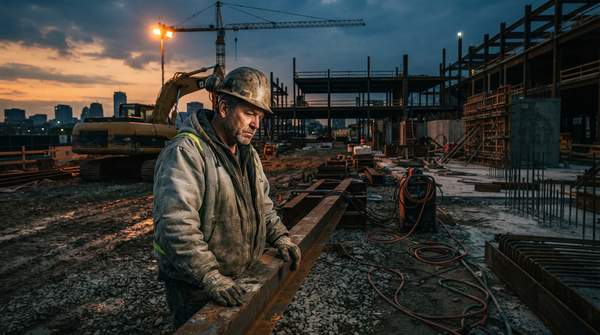
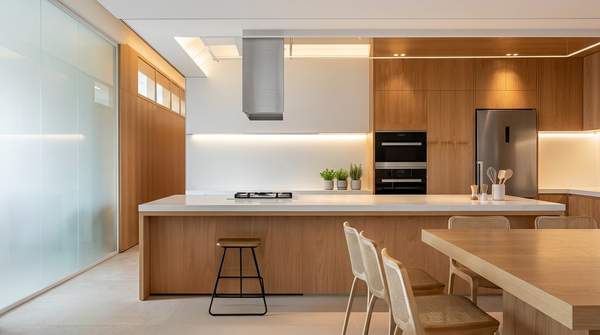
For new energy-efficient buildings, the carbon embedded in their materials and construction now accounts for roughly half of their entire life-cycle emissions, according to Journal-buildingscities. This significant portion, often overlooked in favor of operational energy savings, confirms a building's environmental impact begins long before it ever opens its doors. Globally, approximately 10% of all energy-related CO2 emissions are attributable to these embodied emissions from buildings.
Many perceive sustainable building materials, such as engineered wood and advanced ceramics, as a premium environmental choice, adding prohibitive upfront costs to construction projects. This perspective often overshadows their deeper financial implications, leading developers to miss substantial long-term value. For more, see our Comprehensive Guide Sustainable Building Materials.
As awareness of life-cycle costs and environmental impacts grows, the adoption of sustainable building materials is likely to accelerate, shifting industry standards towards long-term value over initial expenditure.
What are the most effective sustainable building materials?
Engineered-wood solutions often outperform concrete in most impact categories for mid-rise office buildings, according to Nature, including global warming potential and acidification. Similarly, bio-based insulation, another sustainable option, balances embodied impacts—the emissions from its production—with operational savings by reducing heating and cooling needs over a building's lifespan. These inherently low-carbon and renewable materials allow builders to significantly mitigate the environmental burden associated with construction and material production. The continued default to concrete in many new constructions represents a missed opportunity for significant environmental and structural benefits, hindering both climate goals and innovative design.
Do sustainable building materials offer better performance?
High-quality sustainable alternatives often perform effectively for 50 years or more, while traditional materials may require replacement or major maintenance every 10–15 years, according to Tonality. This extended durability directly translates into reduced lifecycle costs for building owners. Many sustainable materials also provide superior insulation properties, reflective surfaces that reduce cooling loads, or thermal mass characteristics that moderate temperature fluctuations, improving a building's operational efficiency. For instance, advanced ceramic systems typically weigh about 40 kilograms per square meter, significantly reducing structural requirements compared to traditional facade materials, according to Tonality. This lighter weight impacts fundamental engineering costs far beyond the material's purchase price. Developers who cling to conventional materials actively choose higher long-term maintenance, replacement, and construction costs, locking themselves into an economically inferior asset.