AllTradesJournal
TradesServicesTools & EquipmentHow-ToProjects
AllTradesJournal

The definitive source for trades, services, and DIY.

DiyHome ImprovementAutomotiveSkilled TradesSustainabilityConstructionRecycled MaterialsTools

Sections

  • Trades
  • Services
  • Tools & Equipment
  • How-To
  • Projects

More

  • Industry
  • Safety
  • Materials
  • Automotive Services
  • Writers

About AllTradesJournal

AllTradesJournal.com delivers the latest news, how-to guides, and industry insights for professionals and enthusiasts in the trades, services, and DIY sectors. We cover everything from tools and techniques to safety and automotive services.

  • Contact
  • Privacy Policy
  • Terms of Service

© 2026 AllTradesJournal. All rights reserved.

  1. Home
  2. /Materials
  3. /What Are Sustainable Building Materials and Why Do They Matter?
Materials

What Are Sustainable Building Materials and Why Do They Matter?

Imagine a building material that could improve thermal insulation by up to 83% just by incorporating 6% coffee grounds into its composition.

KB
Kyle Brenner

September 8, 2026 · 7 min read

A futuristic, sustainable building with plant-infused walls, showcasing the integration of eco-friendly materials and advanced architecture in a natural setting.

Imagine a building material that could improve thermal insulation by up to 83% just by incorporating 6% coffee grounds into its composition. This seemingly simple addition transforms a common waste product into a high-performance solution, drastically reducing a building's energy footprint and offering a tangible path to lower operational costs. Such advancements in sustainable and recycled building materials offer a clear advantage in a world striving for environmental responsibility.

Despite these groundbreaking innovations, sustainable building materials demonstrably reduce energy consumption and enhance performance, but their adoption is severely hampered by high upfront costs and a lack of specialized expertise. This tension creates a significant bottleneck, preventing the construction industry from fully embracing solutions that are both environmentally sound and economically beneficial in the long run. For more, see our Energy Efficient Home Building Materials.

Without significant investment in education, policy incentives, and supply chain development, the construction industry will struggle to meet critical carbon reduction targets, despite the proven efficacy of green materials. The challenge lies in overcoming entrenched practices and short-term financial perspectives to unlock the full potential of these advanced construction methods.

The integration of waste materials into construction components is yielding remarkable results. For instance, a 6% incorporation of coffee grounds, specifically with a water ratio of 0.7, optimizes thermal insulation by enhancing it by 46–83% while preserving mechanical strength, according to Nature. The research highlights the potential for transforming everyday waste into high-value building resources. Beyond insulation, innovative uses extend to structural elements; incorporating fibers into cement blocks, for example, enhances greenhouse microclimates, improving thermal performance and economic benefits.

Another notable innovation involves insulating greenhouse windows with porous polycarbonate panels, which has been shown to reduce thermal energy consumption by 30%, also reported by Nature. These materials are rigorously assessed through methodologies like Life Cycle Assessment (LCA), a comprehensive analytical tool that evaluates the environmental impacts of a product throughout its entire existence, from raw material extraction to disposal, as detailed by ScienceDirect. Innovative materials, rigorously assessed by Life Cycle Assessment, offer significant energy savings and improved building performance, moving beyond traditional construction.
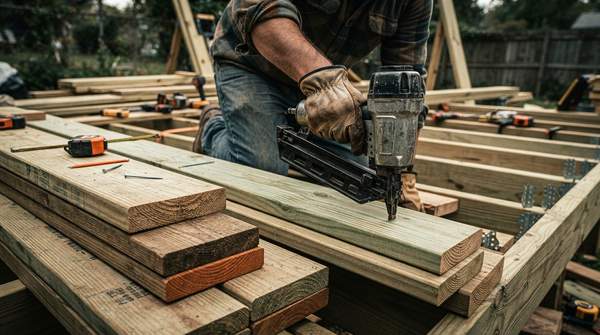

The concept of sustainable and recycled building materials, exemplified by innovations such as coffee-ground insulation, centers on minimizing environmental footprint while enhancing structural performance. These materials are characterized by their reduced impact across their entire lifecycle, from resource extraction and manufacturing to installation, operation, and eventual disposal. They often utilize renewable resources, minimize waste generation, and contribute to healthier indoor environments.

Recycled building materials specifically repurpose waste streams, diverting materials from landfills and giving them a new life in construction. This can include everything from post-consumer plastics reformed into structural components to industrial byproducts integrated into concrete mixes. The goal is to create a more circular economy within the construction sector, where materials are continually reused and recycled, rather than discarded after a single use. This approach not only conserves natural resources but also reduces the energy associated with producing new materials from virgin sources.

Integrating recycled components, such as fiber-enhanced cement blocks, can fundamentally alter structural properties for the better. These blocks not only offer improved thermal performance for structures like greenhouses but also contribute to a more stable and controlled internal microclimate. The fibers, often derived from industrial waste or agricultural byproducts, reinforce the cement matrix, increasing its durability and resistance to cracking.

Similarly, the development of insulation materials from organic waste, like spent coffee grounds, represents a significant technical leap. The porous structure of these materials traps air effectively, acting as a highly efficient thermal barrier. Researchers carefully optimize the percentage of coffee grounds and the water ratio during production to achieve the best balance between insulation capacity and mechanical strength. This scientific precision ensures that these innovative materials meet the rigorous demands of construction while delivering superior energy efficiency.

The improved thermal performance of porous polycarbonate panels, reducing energy consumption by 30% in greenhouses, is just one facet of the wider advantages offered by sustainable materials. Beyond energy efficiency, these materials often contribute to enhanced occupant comfort and well-being. By regulating indoor temperatures more effectively, they reduce reliance on mechanical heating and cooling systems, leading to quieter environments and more stable air quality.

Furthermore, many sustainable and recycled materials are designed to reduce the overall carbon footprint of a building throughout its operational life. This includes not only the energy saved from heating and cooling but also the embodied energy in the materials themselves – the energy consumed during their extraction, manufacturing, and transportation. Opting for locally sourced and recycled materials can significantly lower this embodied energy, making the entire construction process more environmentally responsible. Broader benefits, however, are often overshadowed by initial procurement costs.

The Roadblocks to a Greener Future

Higher upfront costs present a significant hurdle to the broader adoption of green construction materials, according to Accacia. This financial barrier means that even with demonstrably superior long-term performance, many innovative materials struggle to compete with traditional, less sustainable options on initial budget considerations. This myopic focus on immediate expenditure often prevents the realization of substantial operational savings over a building's lifespan, trapping projects in a cycle of higher energy consumption and maintenance costs.

The construction industry's myopic focus on initial expenditure, as reported by Accacia, is actively preventing the adoption of materials that, according to Nature, could deliver up to 83% better thermal insulation, locking builders into higher long-term operational costs. A critical failure to evaluate the total cost of ownership means significant future savings are overlooked in favor of lower initial outlays. For example, materials like fiber-enhanced cement blocks offer improved thermal performance and economic benefits, yet their perceived higher initial cost often deters adoption.

Another major impediment is the severe lack of green building experts and skilled labor, identified by Emerald as a significant barrier to adopting sustainable building practices. Without trained professionals capable of specifying, installing, and maintaining these specialized materials, even the most innovative products cannot achieve widespread use. This skill gap extends to limited training on local green building materials, further isolating regions from capitalizing on readily available, waste-derived resources that could foster regional economic development.

The critical shortage of green building experts and specialized training, identified by Emerald, means that even revolutionary materials like coffee-ground insulation will remain laboratory curiosities rather than widespread solutions, leaving significant environmental and economic gains on the table. The deficit in human capital directly hinders the transition to sustainable construction, threatening global climate goals by slowing the adoption of proven carbon-reducing technologies. Addressing these intertwined challenges of cost perception and skill development is essential for a greener future.

What are the most sustainable building materials?

Sustainable building materials encompass a range of innovations, including those that repurpose waste streams or significantly reduce energy consumption throughout their lifecycle. Examples detailed in recent research include insulation derived from coffee grounds, which can enhance thermal performance by up to 83%, and fiber-enhanced cement blocks that improve greenhouse microclimates. These materials are chosen for their reduced environmental impact from production to disposal.

What are examples of recycled building materials?

Recycled building materials integrate waste products into new construction components, offering both environmental and performance advantages. A key example is the use of coffee grounds in insulation, where a 6% incorporation can drastically improve thermal efficiency. Other innovations include porous polycarbonate panels for greenhouse windows, which are often made from recycled plastics and can cut thermal energy consumption by 30%.

How much do sustainable building materials cost?

While Accacia notes higher upfront costs as a primary challenge for green construction materials, a comprehensive evaluation must consider the total cost of ownership. Materials like coffee-ground insulation, despite initial investment, offer significant long-term operational savings through reduced energy consumption—potentially up to 83% better thermal insulation. This long-term economic benefit often outweighs the initial expenditure, though industry adoption is slow to reflect this.

The construction industry's path to truly sustainable practices hinges on addressing these foundational issues. Despite innovations like coffee-infused insulation demonstrating radical performance gains, the sector's entrenched cost structures and critical skill deficits continue to prevent a necessary green revolution. The benefits of reduced energy consumption and improved building performance are clear, yet the barriers to adoption remain formidable.

Overcoming these challenges requires a multi-faceted approach, including policy incentives that reward long-term operational savings rather than penalizing initial investment. Furthermore, a concerted effort to establish specialized training programs and foster a new generation of green building experts is essential. Without a skilled workforce, even the most advanced materials cannot be effectively utilized or integrated into mainstream construction practices, limiting their impact.

The implications of this slow adoption extend beyond individual projects, impacting global efforts to reduce carbon emissions and combat climate change. The construction sector, a major consumer of resources and energy, has a critical role in achieving environmental targets. Its failure to adapt quickly to the availability of high-performance, sustainable materials represents a missed opportunity for significant environmental progress and economic efficiency.

By late 2026, industry leaders must commit to investing in the expertise required to implement advanced materials like the 83% more efficient coffee-ground insulation, or continue to bear the burden of higher long-term operational costs and missed environmental targets.

Related Coverage from Materials

  • What Is Life Cycle Assessment for Sustainable Building Materials?
  • Assessing Sustainable Building Materials with EPDs and LCAs
  • What are sustainable building materials' environmental impact, cost, and durability?

Tags

SustainabilityGreen BuildingEco Friendly MaterialsConstructionBuilding ScienceRecycled MaterialsEnergy Efficiency
KB

Kyle Brenner

Tools & Equipment Writer

As the Tools & Equipment Writer for AllTradesJournal, Kyle Brenner delivers hands-on reviews and practical insights into power tools, safety gear, and materials. His work helps professionals and DIY enthusiasts select the right equipment to complete their projects safely and efficiently.

More from Materials

Modern construction site showcasing innovative building panels made from recycled wood and plastic composites, highlighting sustainability and durability.

What Are Composite Wood Polymer Composites and Why Do They Matter?

Imagine a building material made from furniture factory sawdust and recycled plastics that not only lasts longer than traditional wood but actively resists decay and environmental wear.

Kyle Brenner· Sep 8
Robotic arms assembling a futuristic car body from advanced composite materials in a high-tech automotive manufacturing facility.

What Are Modern Composite Materials in Automotive Repair and Manufacturing?

The automotive sector's composite repair market alone is already valued at USD 0.

Kyle Brenner· Sep 6
Close-up of a cracked concrete wall showing a sealant bead that has failed, peeling away from the surface.

Why Sealants and Adhesives Fail in Construction

Cracking, adhesion loss, and shrinkage plague countless construction projects, often weeks after installation.

Kyle Brenner· Sep 5
A sleek, futuristic car chassis constructed from advanced materials like carbon fiber and lightweight alloys in a modern manufacturing plant.

What Are Advanced Materials in Automotive Manufacturing and Why Do They Matter?

A mere 10% reduction in a car's weight can slash its fuel consumption by up to 8%, a critical factor driving the automotive industry's quiet revolution in materials.

Luis Ortega· Sep 5

Trending Now

1
A modern DIY workshop showcasing a variety of eco-friendly and refurbished power tools alongside green plants, emphasizing sustainability in home improvement.

Eco-Friendly Tools Fuel Sustainable DIY Culture's Market Shift

Industry· 24 views
2
Futuristic construction site with AI interfaces, drones, and robots working alongside human supervisors, illustrating the integration of AI in planning and execution.

AI Integration in Construction Planning Promises New 'Master Builder' Roles

Industry· 7 views
3
Close-up of skilled hands creating a precise mortise and tenon joint in a piece of wood, showcasing traditional woodworking craftsmanship.

What Are Mortise and Tenon Joints and Why Are They So Strong?

How To· 5 views
4
Detailed view of a modern double wishbone independent suspension system on a car, showcasing its complex engineering and robust design.

What are modern vehicle suspension systems and why do they matter?

Automotive Services· 7 views
5
A robotic arm analyzes an engine in an auto repair shop, with a human mechanic observing, symbolizing the impact of AI on skilled trades.

AI in Skilled Trades: Ethical Questions Loom Over Job Market Shifts

Industry· 6 views
6
Topaz Floors Explained: A Quick Overview for Melbourne Homeowners and Renovators

Topaz Floors Explained: A Quick Overview for Melbourne Homeowners and Renovators

Services· 5 views