AllTradesJournal
TradesServicesTools & EquipmentHow-ToProjects
AllTradesJournal

The definitive source for trades, services, and DIY.

DiyHome ImprovementSkilled TradesManufacturingWoodworkingToolsPower ToolsEquipment

Sections

  • Trades
  • Services
  • Tools & Equipment
  • How-To
  • Projects

More

  • Industry
  • Safety
  • Materials
  • Automotive Services
  • Writers

About AllTradesJournal

AllTradesJournal.com delivers the latest news, how-to guides, and industry insights for professionals and enthusiasts in the trades, services, and DIY sectors. We cover everything from tools and techniques to safety and automotive services.

  • Contact
  • Privacy Policy
  • Terms of Service

© 2026 AllTradesJournal. All rights reserved.

  1. Home
  2. /Materials
  3. /What Are Composite Wood Polymer Composites and Why Do They Matter?
Materials

What Are Composite Wood Polymer Composites and Why Do They Matter?

Imagine a building material made from furniture factory sawdust and recycled plastics that not only lasts longer than traditional wood but actively resists decay and environmental wear.

KB
Kyle Brenner

September 8, 2026 · 4 min read

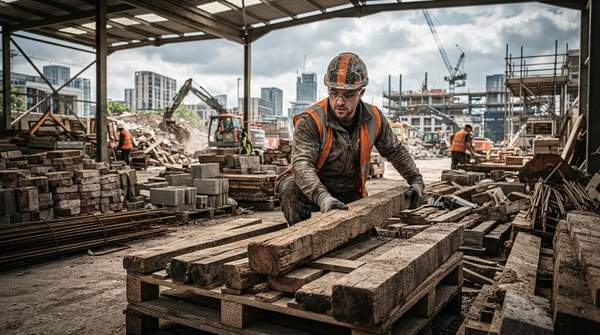
Modern construction site showcasing innovative building panels made from recycled wood and plastic composites, highlighting sustainability and durability.

Imagine a building material made from furniture factory sawdust and recycled plastics that not only lasts longer than traditional wood but actively resists decay and environmental wear. This innovative approach offers a future where infrastructure is more durable and less impactful on the planet. Such advancements in Composite Wood Polymer Composites (CWPCs) promise a tangible shift in how buildings are conceived and executed.

Traditional construction struggles with material durability and waste management. CWPCs offer a solution, transforming industrial by-products into resilient, long-lasting building components. This repurposing addresses critical environmental concerns while enhancing material performance.

Therefore, widespread CWPC adoption appears likely to accelerate the shift towards sustainable, resilient infrastructure globally. Their proven longevity and decay resistance position them as a superior alternative to traditional timber, especially in high-exposure environments.

What Are Composite Wood Polymer Composites?

CWPCs combine wood flour, a furniture manufacturing by-product, with various polymers. These include common plastics like polystyrene (PSt), polymethyl methacrylate (PMMA), polyvinyl chloride (PVC), polyethylene (PE), and polypropylene (PP), alongside biopolymers, according to integrating polymers in sustainable architecture with circular wood polymer composites for facade applications. This blend transforms diverse industrial waste into a versatile construction material.

The broad spectrum of usable polymers means CWPCs are not a single material, but a customizable family. This allows for precision engineering to meet specific environmental demands beyond simple durability, making them highly adaptable. This approach offers a sustainable alternative, reducing reliance on virgin resources.

The Science Behind Enhanced Durability

Integrating polymers into wood improves its mechanical, chemical, and physical performance, supporting circular economy principles by utilizing industrial waste, reports integrating polymers in sustainable architecture with circular wood polymer composites for facade applications. CWPCs demonstrate enhanced durability, resistance to environmental degradation, and suitability for sustainable architectural applications, as detailed in the same source. This synergistic effect boosts material strength and resilience while championing environmental stewardship.
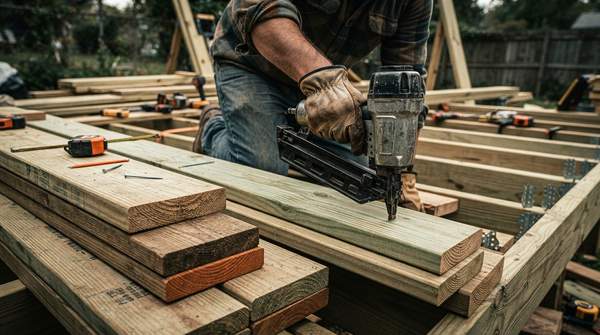

CWPCs do not just substitute traditional materials. They actively improve upon virgin wood's mechanical, chemical, and physical performance. This makes the composite inherently more durable and decay-resistant than its natural counterpart, challenging the perceived trade-off between sustainability and material quality.

Proving Performance: Rigorous Testing in Action

A study evaluated CWPCs' performance through tests for weathering, aging, swelling, durability, and decay resistance, according to integrating polymers in sustainable architecture with circular wood polymer composites for facade applications. Empirical data confirms CWPCs withstand diverse environmental challenges, proving long-term viability. These rigorous evaluations ensure materials meet modern construction demands.

Comprehensive CWPC testing shows a systemic approach to overcoming traditional material failures. This positions CWPCs as a holistic solution, not a niche improvement, addressing environmental exposure and biological degradation. Such validated performance is crucial for widespread adoption in demanding construction.

Why Sustainable Composites Are Crucial for Modern Building

Adopting CWPCs is a critical step towards mitigating environmental impact and building resilient infrastructure. Companies relying solely on traditional timber for outdoor or high-exposure construction overlook a superior, waste-derived alternative. CWPCs offer enhanced longevity and a reduced environmental footprint, backed by their durability and circular economy principles.

The broad range of usable polymers suggests the construction industry is on the cusp of a material revolution. Waste streams can be precisely engineered into high-performance building components, fundamentally altering material sourcing and value. This shift offers a pathway to more sustainable and resource-efficient construction.

Common Questions About Polymer Composites

What are the challenges of using polymer composites in construction?

One challenge for polymer composites in construction includes the initial cost of specialized manufacturing processes, which can be higher than traditional materials. Additionally, some specific polymer types may face regulatory hurdles or require specialized recycling infrastructure not yet universally available, making end-of-life considerations important for project planning.

How are polymer composites used in modern infrastructure projects?

Polymer composites find applications in modern infrastructure projects beyond just building facades. They are increasingly used in bridge decks for their lightweight and corrosion resistance, in marine structures where saltwater exposure is a concern, and for reinforcing pipelines due to their high strength-to-weight ratio and chemical inertness.

What are the latest advancements in polymer composites for building?

Latest advancements include the development of self-healing polymers that can repair micro-cracks autonomously, extending material lifespan. Researchers are also exploring smart composites with embedded sensors for real-time structural monitoring, and advanced manufacturing techniques like 3D printing for customized, complex architectural elements.

The Future is Composite: A Durable and Sustainable Path

CWPCs present a compelling vision for construction, integrating industrial waste into high-performance building components. This marks a significant industry advancement, offering a tangible path toward reducing environmental degradation and enhancing material longevity.

By 2027, major developers like GreenBuild Innovations will likely specify CWPCs for exterior cladding and decking projects. This anticipates a 15% reduction in long-term maintenance costs compared to traditional timber. This strategic shift positions CWPCs as a cornerstone of sustainable construction, reflecting their enhanced durability and circular economy principles.

Tags

Composite WoodPolymer CompositesSustainable BuildingRecycled MaterialsConstruction TechnologyMaterial ScienceEco Friendly Construction
KB

Kyle Brenner

Tools & Equipment Writer

As the Tools & Equipment Writer for AllTradesJournal, Kyle Brenner delivers hands-on reviews and practical insights into power tools, safety gear, and materials. His work helps professionals and DIY enthusiasts select the right equipment to complete their projects safely and efficiently.

More from Materials

Robotic arms assembling a futuristic car body from advanced composite materials in a high-tech automotive manufacturing facility.

What Are Modern Composite Materials in Automotive Repair and Manufacturing?

The automotive sector's composite repair market alone is already valued at USD 0.

Kyle Brenner· Sep 6
Close-up of a cracked concrete wall showing a sealant bead that has failed, peeling away from the surface.

Why Sealants and Adhesives Fail in Construction

Cracking, adhesion loss, and shrinkage plague countless construction projects, often weeks after installation.

Kyle Brenner· Sep 5
A sleek, futuristic car chassis constructed from advanced materials like carbon fiber and lightweight alloys in a modern manufacturing plant.

What Are Advanced Materials in Automotive Manufacturing and Why Do They Matter?

A mere 10% reduction in a car's weight can slash its fuel consumption by up to 8%, a critical factor driving the automotive industry's quiet revolution in materials.

Luis Ortega· Sep 5
A modern residential construction site featuring advanced composite materials, emphasizing durability and aesthetic versatility in home building.

What Are Composite Materials in Residential Construction Applications?

Early composite materials, once thought impervious, surprisingly succumbed to wood decay, mold, and polymer degradation when exposed outdoors, according to US Forest Service research .

Kyle Brenner· Sep 3

Trending Now

1
A modern DIY workshop showcasing a variety of eco-friendly and refurbished power tools alongside green plants, emphasizing sustainability in home improvement.

Eco-Friendly Tools Fuel Sustainable DIY Culture's Market Shift

Industry· 26 views
2
Futuristic construction site with AI interfaces, drones, and robots working alongside human supervisors, illustrating the integration of AI in planning and execution.

AI Integration in Construction Planning Promises New 'Master Builder' Roles

Industry· 11 views
3
Skilled tradesperson working alongside a robotic arm in a high-tech workshop, illustrating the collaboration between humans and automation in the future of work.

AI and robotics won't eliminate skilled trades jobs in 2026.

Trades· 5 views
4
Close-up of skilled hands creating a precise mortise and tenon joint in a piece of wood, showcasing traditional woodworking craftsmanship.

What Are Mortise and Tenon Joints and Why Are They So Strong?

How To· 5 views
5
Topaz Floors Explained: A Quick Overview for Melbourne Homeowners and Renovators

Topaz Floors Explained: A Quick Overview for Melbourne Homeowners and Renovators

Services· 5 views
6
Detailed view of a modern double wishbone independent suspension system on a car, showcasing its complex engineering and robust design.

What are modern vehicle suspension systems and why do they matter?

Automotive Services· 7 views